Best Ironing Board Covers for Steam Irons
Steam adds moisture — your cover must handle both heat and humidity.
What Steam Requires
Steam ironing works best when your ironing board cover allows heat and moisture to move efficiently.
A poorly designed or overly thick cover can trap steam, reduce performance, and leave fabrics damp instead of smooth.
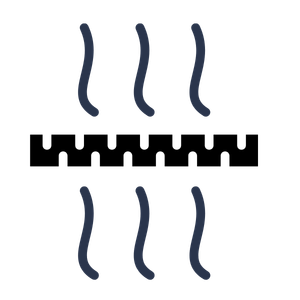
Moisture flow
A good ironing board cover allows steam to pass through instead of getting trapped. This helps fabrics dry faster and prevents buildup of excess moisture during ironing.

Structural stability
Steam adds weight and pressure during ironing. A stable, well-supported surface ensures consistent contact between the iron and fabric, improving wrinkle removal and overall results.

No steam trapping
Covers that are too thick or poorly constructed can trap steam within the padding. This reduces heat efficiency and can leave clothes slightly damp, requiring more time to finish.
Steam needs flow – not blockage.
Best Materials
The material of your ironing board cover plays a major role in performance.
The best options balance breathability, heat distribution, and durability to support both steam and dry ironing.
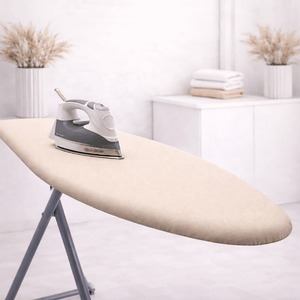
Cotton + Wool
A cotton surface combined with wool or felt padding offers a breathable and balanced ironing experience. This combination allows steam to pass through while maintaining enough structure for consistent results.
- Breathable
- Moisture-friendly
- Stable
- Ideal for regular and steam ironing
Best for: Everyday use, delicate fabrics, and consistent performance without overheating.
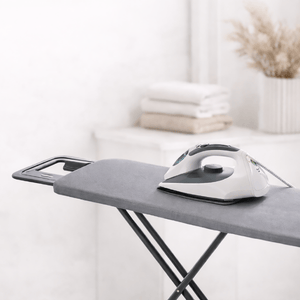
Aluminum
Aluminum-coated covers are designed to reflect heat back into the fabric, helping speed up ironing. However, performance depends heavily on overall construction and quality.
- Faster ironing
- Reflects heat for efficiency
- Works best with proper padding underneath
Best for: Quick ironing sessions and users who want faster results with less effort.
The best choice depends on your ironing style – breathability vs speed.
What to Avoid
Not all ironing board covers are built the same.
Some materials and constructions can reduce performance, especially when using steam.
Cheap foam
Low-quality foam compresses quickly, reducing support and making ironing less effective over time.
Moisture-trapping materials
Covers that don’t allow airflow can trap steam, leaving fabrics damp and slowing down the ironing process.

Weak construction
Poor stitching or thin layers wear out faster and fail to maintain a stable, even surface.
Conclusion
The best ironing board covers focus on balance, not bulk.
Choose materials and construction that support heat flow, stability, and durability for better results with less effort.
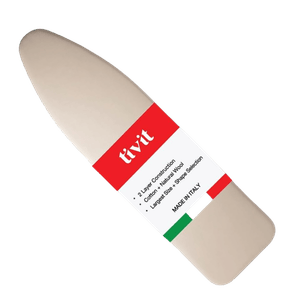
Cotton/wool
best for comfort, breathability, and consistent performance
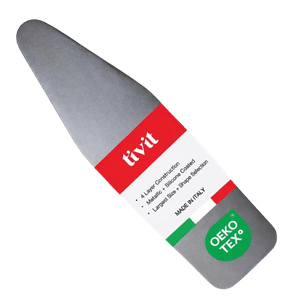
Aluminum
best for speed and faster heat reflection